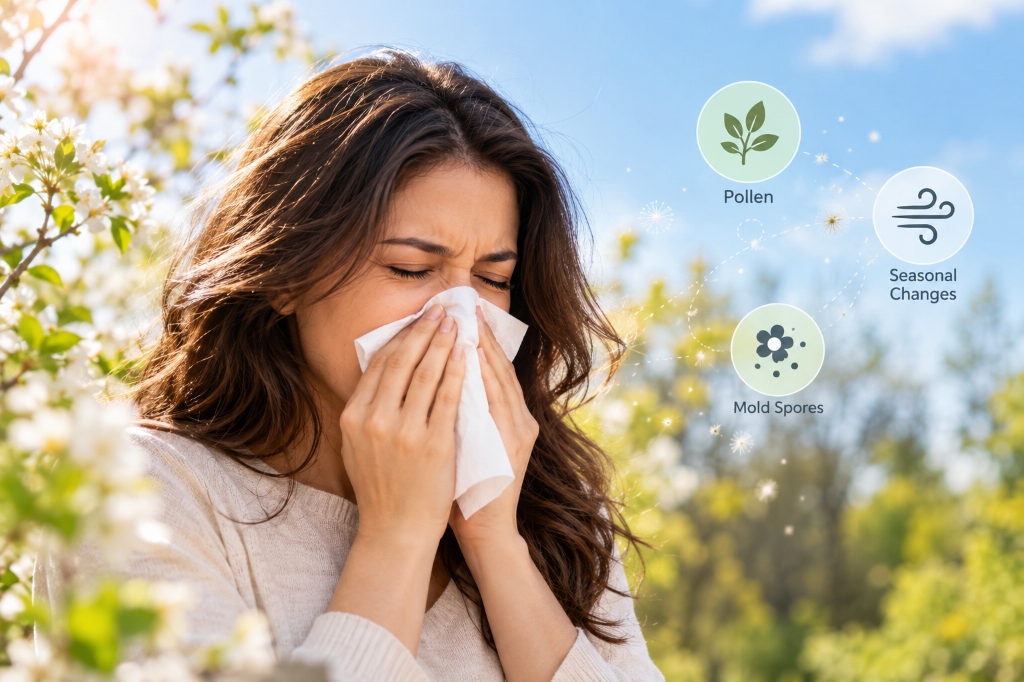
Managing Seasonal Allergies: How Anti-Allergen Medications Work
A sneeze here, itchy eyes there, and a constantly runny nose can quickly turn a beautiful spring morning into a frustrating day. For millions of people, seasonal allergies are more than a minor inconvenience. They can affect sleep, productivity, and overall quality of life.
The good news is that modern anti-allergen medications are designed to target the body's allergic response before symptoms take over. Understanding how they work can help you make informed decisions and manage allergy season more effectively.
What Causes Seasonal Allergies?
Pollen allergy is one of the most common triggers of seasonal allergies. Trees, grasses, and weeds release tiny pollen particles into the air, which some people's immune systems mistakenly identify as harmful invaders.
When this happens, the body releases histamine and other chemicals that trigger symptoms such as:
- Sneezing
- Runny or blocked nose
- Itchy eyes, nose, or throat
- Watery eyes
- Fatigue caused by poor sleep
The severity often depends on pollen levels, weather conditions, and individual sensitivity.
Common Seasonal Allergy Triggers
| Trigger | Peak Season | Common Symptoms |
|---|---|---|
| Tree pollen | Spring | Sneezing, itchy eyes |
| Grass pollen | Late spring to summer | Runny nose, congestion |
| Weed pollen | Late summer to fall | Sneezing, itchy throat |
| Mold spores | Rainy or humid periods | Nasal irritation, coughing |
How Allergies Actually Happen
The allergic reaction follows a simple chain of events:
- Allergen enters the body: Pollen enters through the nose or eyes.
- Immune system overreacts: The body treats harmless pollen as a threat.
- Histamine is released: This chemical causes swelling, itching, and mucus production.
- Symptoms appear: Sneezing, congestion, and watery eyes develop.
This is where anti-allergy medicine plays an important role.
How Anti-Allergen Medications Work
Different medications target different parts of the allergic response. Some stop histamine from attaching to cells, while others reduce inflammation inside the nasal passages.
Comparison of Common Allergy Medications
| Medication Type | How It Works | Best For |
|---|---|---|
| Antihistamines | Block histamine receptors | Sneezing, itching |
| Nasal corticosteroids | Reduce inflammation | Nasal congestion |
| Decongestants | Shrink swollen blood vessels | Blocked nose |
| Eye drops | Calm eye irritation | Itchy, watery eyes |
1. Antihistamines
Antihistamines are among the most commonly used allergy medications.
They work by blocking histamine receptors before histamine can trigger symptoms. Newer, second-generation antihistamines are generally preferred because they provide long-lasting relief with less drowsiness than older options.
They are particularly helpful for:
- Sneezing
- Itchy nose
- Itchy eyes
- Runny nose
2. Nasal Corticosteroids
For people with persistent congestion, nasal corticosteroid sprays often provide the most effective relief.
Instead of simply blocking histamine, these sprays reduce inflammation throughout the nasal passages.
Maximum benefit usually develops after consistent use for several days.
3. Decongestants
When swelling inside the nose makes breathing difficult, decongestants temporarily narrow swollen blood vessels.
However, nasal decongestant sprays should only be used for a few days unless advised by a healthcare professional, as prolonged use may worsen congestion.
4. Allergy Eye Drops
Eye allergies can be especially uncomfortable during high-pollen days.
Specialized eye drops help reduce itching, redness, and watering by calming the allergic response directly where symptoms occur.
Pro Tip: Start taking allergy medication before pollen counts peak if you know your usual allergy season. Preventive use often works better than waiting until symptoms become severe.
How to Make Your Medication Work Better
Medication works best when combined with simple daily habits.
- Check local pollen forecasts.
- Keep windows closed during high-pollen days.
- Shower after spending time outdoors.
- Wash bedding regularly.
- Use air filters where appropriate.
These small steps reduce exposure and allow medications to work more effectively.
Did You Know? Rain can temporarily reduce airborne pollen, but warm, windy days often increase pollen exposure significantly.
When Should You See a Healthcare Professional?
Seek medical advice if:
- Symptoms last for several weeks.
- Over-the-counter medications provide little relief.
- You experience wheezing or breathing difficulties.
- Allergies interfere with sleep or daily activities.
Proper evaluation helps determine whether symptoms are caused by seasonal allergies, asthma, or another condition requiring different treatment.
The Role of Quality Medications
Reliable pharmaceutical products play an important role in helping people manage allergies safely and effectively. Companies focused on high-quality healthcare solutions, such as Unicure Pharma, contribute to improving access to trusted pharmaceutical products through quality-focused manufacturing and healthcare innovation.
Healthcare professionals and pharmaceutical partners looking for dependable manufacturing solutions can explore Unicure Pharma to learn more about its commitment to quality pharmaceutical products.
Note: Always use allergy medications as directed on the product label or by your healthcare provider. Individual treatment needs can vary based on age, health conditions, and symptom severity.
Final Insights
Seasonal allergies happen when the immune system overreacts to harmless airborne pollen. Anti-allergen medications work by blocking histamine, reducing inflammation, or relieving congestion, depending on the treatment type. Combining the right medication with practical exposure-reduction habits can significantly improve symptom control throughout allergy season.
Key Takeaways
- Seasonal allergies are triggered by an immune response to airborne pollen.
- Histamine is responsible for many common allergy symptoms.
- Antihistamines help reduce sneezing and itching.
- Nasal corticosteroids are highly effective for persistent congestion.
- Lifestyle measures can improve medication effectiveness.
- Consult a healthcare professional if symptoms become severe or persistent.
FAQs
1. When should I start taking allergy medication?
If you experience seasonal allergies every year, starting medication before pollen levels rise can help prevent symptoms from becoming severe.
2. Are newer antihistamines less likely to cause drowsiness?
Yes. Many second-generation antihistamines are designed to provide symptom relief while causing less drowsiness than older formulations.
3. Can seasonal allergies develop later in life?
Yes. People can develop seasonal allergies at any age, even if they never experienced symptoms during childhood.