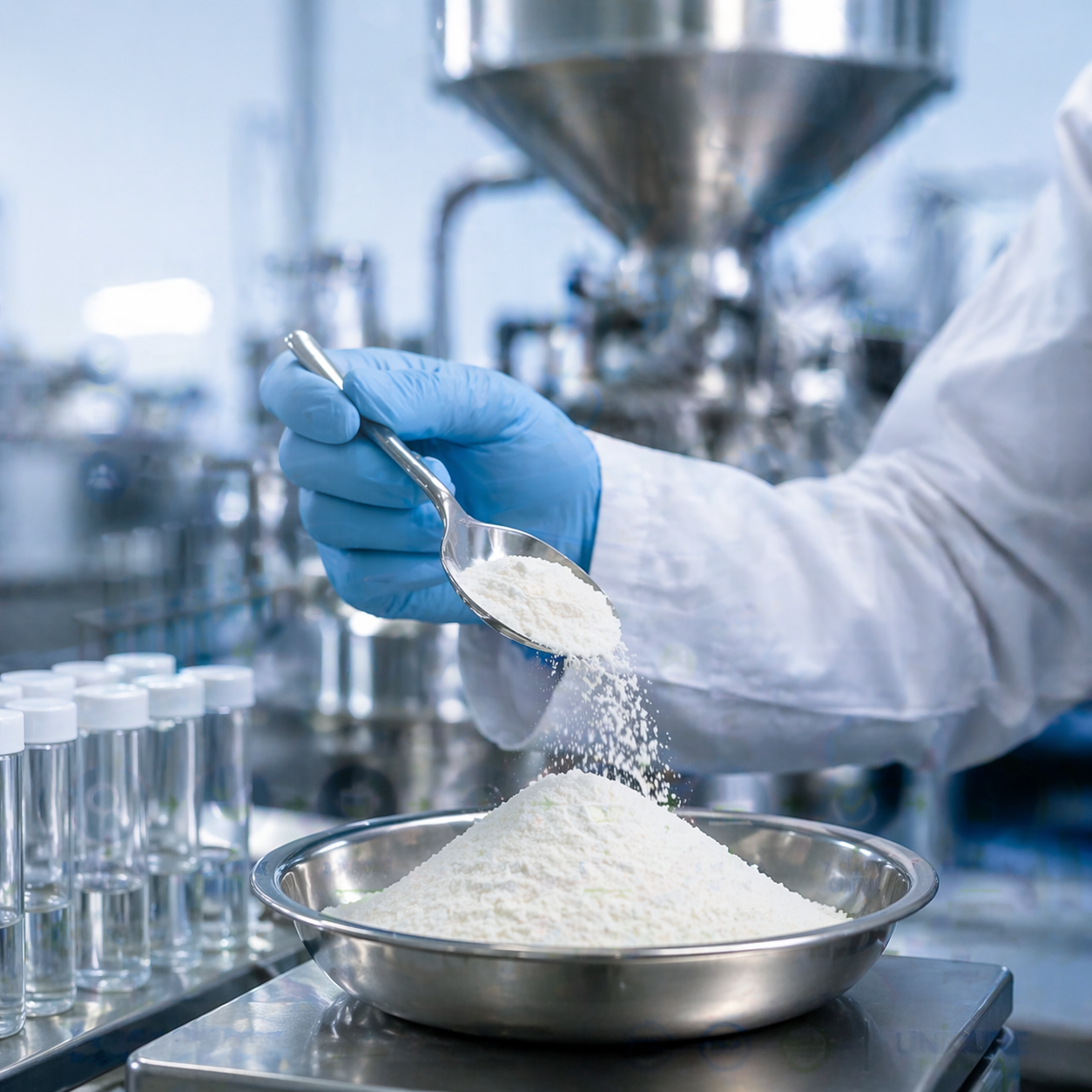
How Oral Powders Are Formulated: A Step-by-Step Guide for Procurement & Quality Teams
Oral powders are a common dosage form in the pharmaceutical industry, offering flexibility and ease of use. These powders can be mixed with water or other liquids before consumption, making them an ideal option for patients who struggle with swallowing pills or tablets. The formulation of oral powders is a delicate process that involves several steps, from ingredient selection to quality testing. This step-by-step guide outlines the key stages involved in the formulation of oral powders, providing valuable insights for procurement and quality teams in the pharmaceutical sector.
Step 1: Selection of Ingredients
The first step in formulating an oral powder is selecting the right ingredients. The primary ingredients typically include the active pharmaceutical ingredient (API), excipients, and flavoring agents. Excipients are substances used to help in the formulation, improve stability, or enhance the taste of the final product.
Key Considerations:
- Active Pharmaceutical Ingredients (API): The API is the core of the formulation, responsible for the therapeutic effect. Selection of the right API is crucial for achieving the desired clinical outcomes.
- Excipients: These are inactive substances that aid in the manufacturing process and contribute to the stability, taste, and texture of the powder. Common excipients include binders, fillers, disintegrants, and preservatives.
- Flavoring Agents: Since many oral powders can have an unpleasant taste, flavoring agents such as sweeteners, fruit flavors, or chocolate are added to improve palatability.
Pro Tip: The selection of excipients must be done carefully to ensure compatibility with the active ingredient and avoid adverse interactions.
Step 2: Mixing and Homogenization
Once the ingredients are selected, they are mixed together to form a uniform powder. This is done using specialized equipment like a blender or a high-shear mixer. The aim is to ensure that the API is evenly distributed throughout the powder.
Key Steps in Mixing:
- Pre-mixing: The excipients and API are blended together at low speeds to ensure uniformity.
- High-Shear Mixing: After the pre-mixing stage, the blend undergoes high-shear mixing to ensure that the ingredients are uniformly dispersed.
- Homogenization: This step ensures that no agglomerates or clumps of the active ingredient are present, resulting in a smooth powder.
Quick Fact: According to a study by the Pharmaceutical Journal, improper mixing can lead to inconsistent doses, potentially affecting the efficacy and safety of the product.
Step 3: Granulation
Granulation is an essential process for improving the flow properties of oral powders. In this step, the powder mixture is converted into granules to enhance the powder’s flow and compressibility.
Types of Granulation:
- Wet Granulation: Involves adding a binder solution to the powder mixture and wetting it to form granules. The granules are then dried to remove excess moisture.
- Dry Granulation: This method does not require a liquid binder and is typically used when the ingredients are sensitive to moisture or heat.
Do you know? Wet granulation is more common for drugs that require high doses or are poorly soluble, while dry granulation is used for heat-sensitive ingredients.
Step 4: Drying and Sieving
After granulation, the granules need to be dried to reduce moisture content and improve shelf life. The drying process is carefully monitored to ensure that the granules do not lose their effectiveness.
Key Techniques:
- Fluidized Bed Drying: A common method used to dry the granules by blowing hot air through the powder.
- Tray Drying: A slower method that involves spreading the powder on trays and heating it gradually.
Once the granules are dried, they are sieved to remove any oversized particles and ensure uniform size distribution.
Step 5: Final Blending and Packaging
The final blending step ensures that the granules and API are thoroughly mixed before packaging. This is followed by quality control testing to ensure the final product meets all specifications. The oral powder is then packaged in suitable containers such as sachets, bottles, or pouches.
Packaging Considerations:
- Packaging Materials: The choice of packaging material is crucial to prevent moisture absorption and maintain product stability.
- Labeling: Accurate labeling with dosage instructions, ingredients, and storage recommendations is important for patient safety.
Key Takeaways
- The formulation of oral powders requires careful selection of ingredients, including the active pharmaceutical ingredient, excipients, and flavoring agents.
- Proper mixing and granulation are essential to ensure uniformity, while drying and sieving help enhance the product’s flow properties.
- Quality control testing at every stage ensures the final product meets regulatory standards and performs as intended.
Closing Words
Formulating oral powders is a detailed and intricate process that demands attention to every detail, from selecting the right ingredients to ensuring the final product’s stability and efficacy. By following a well-structured formulation process, procurement and quality teams can ensure the creation of high-quality oral powders that meet both regulatory requirements and patient needs.
FAQs
1. What are the main ingredients in oral powders?
Oral powders primarily consist of the active pharmaceutical ingredient (API), excipients, and flavoring agents.
2. Why is granulation important in oral powder formulation?
Granulation improves the flow properties of the powder, making it easier to handle and ensuring uniformity in the final product.
3. How do you ensure the stability of oral powders?
Stability is maintained through careful ingredient selection, proper drying techniques, and appropriate packaging materials.
If you’re looking to learn more about oral powder formulations, explore our in-depth resources and insights at Unicure Pharma. Contact us for customized solutions tailored to your specific needs.