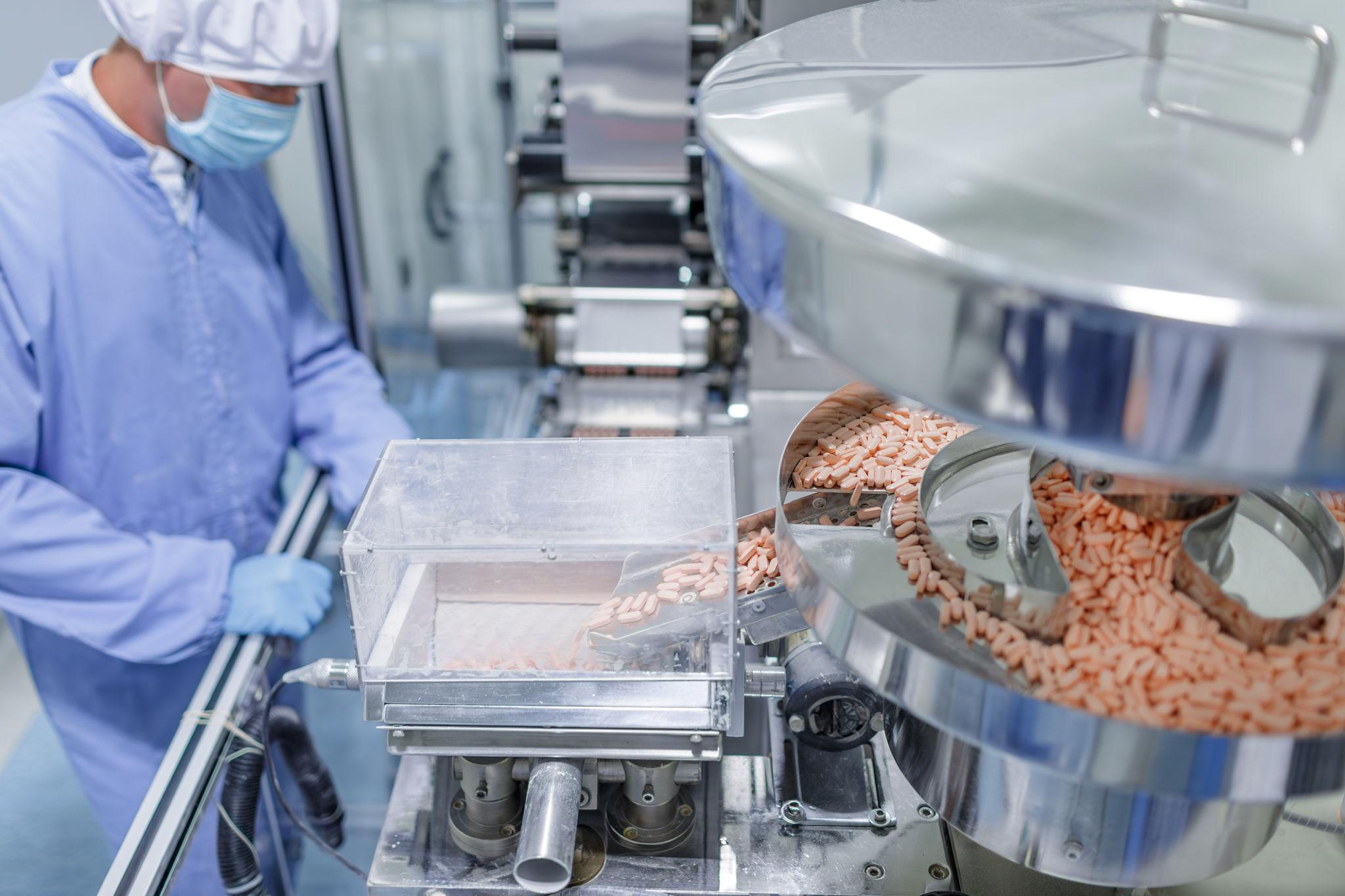
QA/QC Checks Every Tablet Manufacturer Must Pass (Checklist for Buyers)
In Pharma Manufacturing, Quality is Not a Claim. It is a System You Can Audit.
If you are sourcing tablets for your brand or distribution, you cannot rely on brochures. You need a clear, verifiable tablet quality control checklist that protects your business from recalls, regulatory risks, and patient harm.
This guide breaks down the non-negotiable QA/QC checks every reliable manufacturer must pass, based on current GMP expectations and industry benchmarks.
Why QA/QC Matters More Than Ever
Quality failures today don’t just cost money; they damage credibility and market access. Regulators are stricter. Buyers are smarter. And global supply chains are under scrutiny. A weak quality system leads to batch failures, rejected consignments, compliance issues during audits, and loss of trust with distributors and healthcare providers.
If a manufacturer cannot show strong pharmaceutical quality assurance, walk away.
Core QA/QC Checks You Must Verify
1. Raw Material Testing
Every tablet starts with its ingredients, so input quality defines output quality.
| Test Parameter | What It Confirms | Why It Matters |
|---|---|---|
| Identity Test | Correct API used | Prevents substitution risks |
| Purity Analysis | Absence of impurities | Ensures safety |
| Moisture Content | Stability control | Avoids degradation |
A compliant manufacturer will follow pharmacopeial standards like IP, USP, or BP for raw material testing in pharma.
Pro Tip: Ask for Certificates of Analysis (CoA) for at least 3 recent batches. Don’t accept samples without documentation.
2. In-Process Quality Checks
This stage ensures consistency during manufacturing, not just at the final stage. Granulation must remain consistent to avoid variation in tablet formation. Tablet weight variation is monitored to maintain dosage accuracy. Hardness and thickness are checked to ensure durability and proper dissolution behavior. Compression force is also controlled to prevent structural defects.
These controls are documented under in-process quality control pharma protocols and act as the first line of defense against batch failure.
3. Finished Product Testing
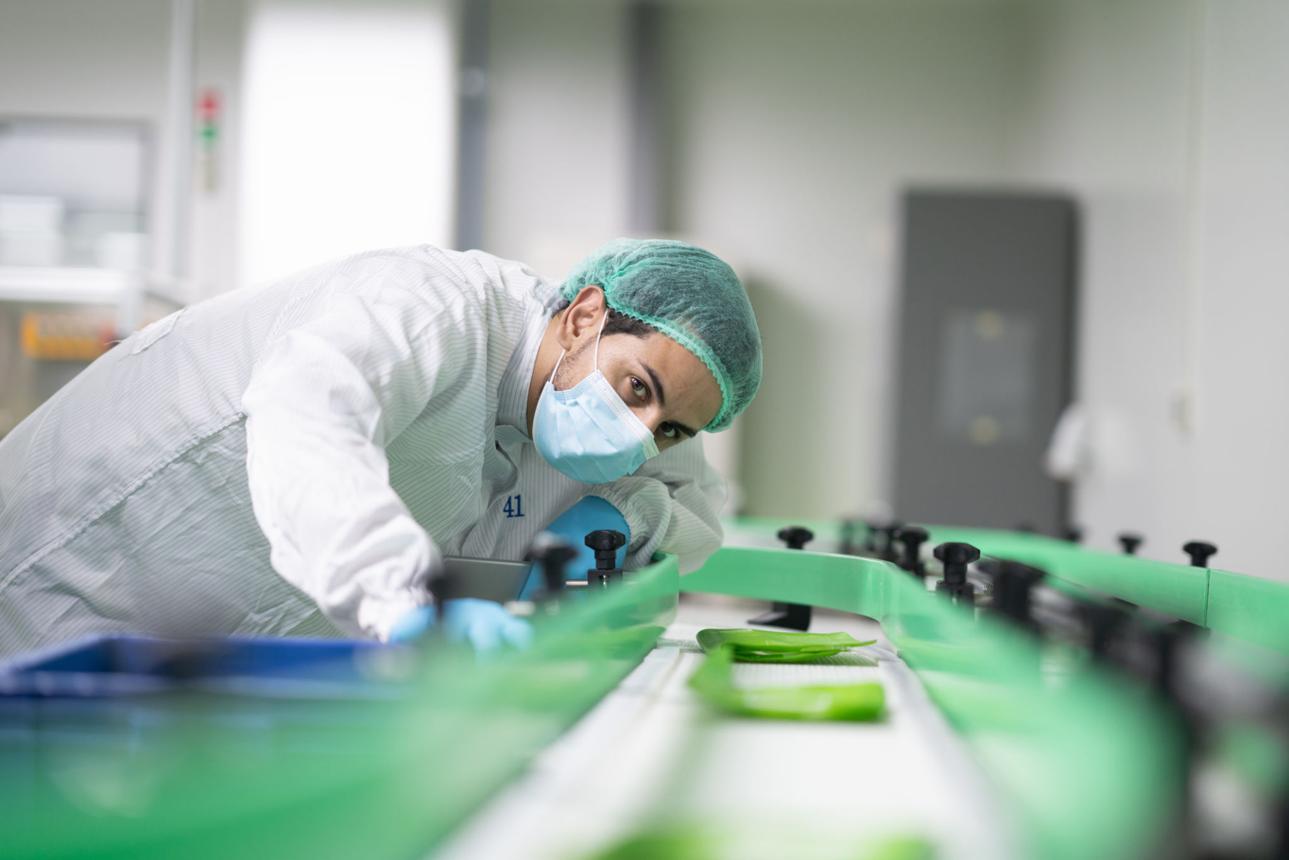
Before release, every batch must pass strict and measurable quality standards.
| Test | Purpose | Acceptance Criteria |
|---|---|---|
| Dissolution | Drug release rate | Meets pharmacopeial limits |
| Disintegration | Breakdown time | Within a defined time |
| Assay | Active ingredient strength | Typically 95–105% |
| Uniformity | Dose consistency | Within allowed variance |
If a manufacturer cannot clearly explain their tablet dissolution test, they are not ready for serious business.
4. Stability Testing
This step validates how the product performs over time under real-world conditions. Stability testing includes both accelerated and long-term studies to predict shelf life and ensure product integrity across storage environments. It also validates packaging effectiveness and helps define expiry timelines.
Look for strict adherence to the stability testing guidelines ICH.
5. Packaging and Label Checks
Packaging directly impacts product safety, usability, and regulatory compliance. Blister packs must maintain integrity to protect tablets from moisture and contamination. Leak testing ensures no compromise during storage or transport. Labels must be accurate, compliant, and traceable to specific batches.
Incorrect labeling alone can trigger regulatory action. This entire process falls under pharmaceutical packaging quality control, and it is often underestimated by buyers.
6. Documentation and Traceability
Documentation is the backbone of accountability and audit readiness. A reliable manufacturer maintains complete and structured records, including Batch Manufacturing Records, Batch Packing Records, deviation reports, and change control logs. These documents ensure full traceability across the product lifecycle.
This level of control is essential for GMP compliance in tablet manufacturing.
Quick Fact: Top-tier pharma buyers audit documentation more rigorously than physical infrastructure.
7. Regulatory Compliance and Certifications
Certifications act as the first filter for evaluating manufacturing credibility. WHO-GMP certification confirms adherence to global manufacturing practices. ISO certifications indicate structured quality systems. Local regulatory approvals ensure legal compliance in domestic markets.
For export-focused businesses, additional approvals such as USFDA or EU certifications may be required depending on target geographies.

Buyer’s Quick Checklist
Use this as a final filter before you commit to any manufacturing partner. Before finalizing a manufacturer, validate the presence of a robust tablet quality control checklist, transparent test reports, and a strong pharmaceutical quality assurance system. Ensure that in-process checks, stability validation, and packaging controls meet industry expectations. Also confirm full compliance with GMP compliance in tablet manufacturing standards.
If any of these areas lack clarity or documentation, reconsider the partnership.
Note: Cost should never be the primary decision factor in pharma manufacturing. Low pricing often indicates compromised systems, reduced testing rigor, or weak compliance frameworks. In pharmaceutical sourcing, risk exposure is far more expensive than initial savings. Always evaluate long-term reliability over short-term cost benefits.
How Unicure Ensures Quality
At Unicure, quality is integrated into every stage of manufacturing, not treated as a final checkpoint.
Each batch undergoes rigorous validation supported by advanced laboratories, experienced QA teams, and strict adherence to global standards. This ensures consistent, scalable, and compliant output for every client.
Final Words
Strong QA/QC systems are the foundation of reliable tablet manufacturing.
Buyers who follow a structured evaluation approach reduce risk, ensure compliance, and build long-term supply stability. The goal is not just to source products, but to secure consistent quality at scale.
Key Takeaways
- Always demand a complete tablet quality control checklist
- Verify both process-level and final product testing
- Stability and documentation are high-risk areas
- Certifications are baseline requirements, not proof of excellence
- Strong QA systems protect long-term business interests
FAQs
1. What is the most critical QA check in tablet manufacturing?
Dissolution testing is critical because it determines how effectively the drug releases in the body.
2. How can buyers verify a manufacturer’s QA system?
Review audit reports, certifications, and batch records, and conduct on-site audits for high-volume partnerships.
3. Are GMP certifications enough to ensure quality?
No. GMP is only a baseline requirement. True quality is reflected in consistency, transparency, and robust documentation systems.